The Best-in-class Japanese BBQ Chicken Thighs: Sticky, Savory, and Grilled to Perfection
There’s something magical about the smell of chicken thighs cooking over an open flame. And when they’re covered in a shiny glaze made of Japanese BBQ sauce, it’s a culinary experience that’s sure to delight. If you’ve ever had a hankering for the deep umami taste of yakitori or teriyaki but wanted a more filling meal that’s still moist and juicy, then Japanese BBQ chicken thighs are about to become your new favorite dish.
The recipe combines all of the magic of Japanese BBQ in a way that’s easy to replicate in your own kitchen. Whether you use your backyard grill, a cast-iron skillet, or your broiler to cook these chicken thighs, they’ll be tender, charred to perfection, and dripping in a sauce that’s just begging to be mopped up with a bowl of steamed rice.
In this article, we will take you through every step of creating the perfect Japanese-style barbecue chicken thighs. From selecting the right cut of meat, creating a rich and layered flavor profile for our sauce, and finally perfecting our grilling technique, you will have everything you need right here!
Check out the Ultimate Beef and Broccoli Recipe.
Why Chicken Thighs Are the Star of Japanese BBQ
Before we proceed to the recipe, let’s discuss the meat. When it comes to Japanese-style barbecue dishes like yakitori (Japanese-style grilled chicken skewers) and yakiniku (Japanese-style grilled meats), chicken thighs are the preferred cut of meat over chicken breasts. Why is that?
1. Fat Content Equals Flavor
Chicken thighs have a higher fat content than chicken breasts. This is the main reason why chicken thighs are the preferred cut of meat when it comes to grilled chicken. When you grill chicken thighs, the fat melts and bastes the chicken from the inside, giving the chicken a lot of flavor.
2. Forgiveness on the Grill
Chicken thighs are also much easier to cook than chicken breasts. When you are new to grilled dishes, chicken thighs are forgiving. They are unlikely to be overcooked. If you happen to cook the chicken for a minute or two longer than you should, the chicken will still be moist.
3. Texture That Holds Up to Basting
The strength of thigh meat also makes it suitable for multiple basting sessions using rich sauces without compromising on texture. The skin also becomes crispy, and at the same time, the meat inside remains silky.
Ingredients for Japanese BBQ Chicken Thighs
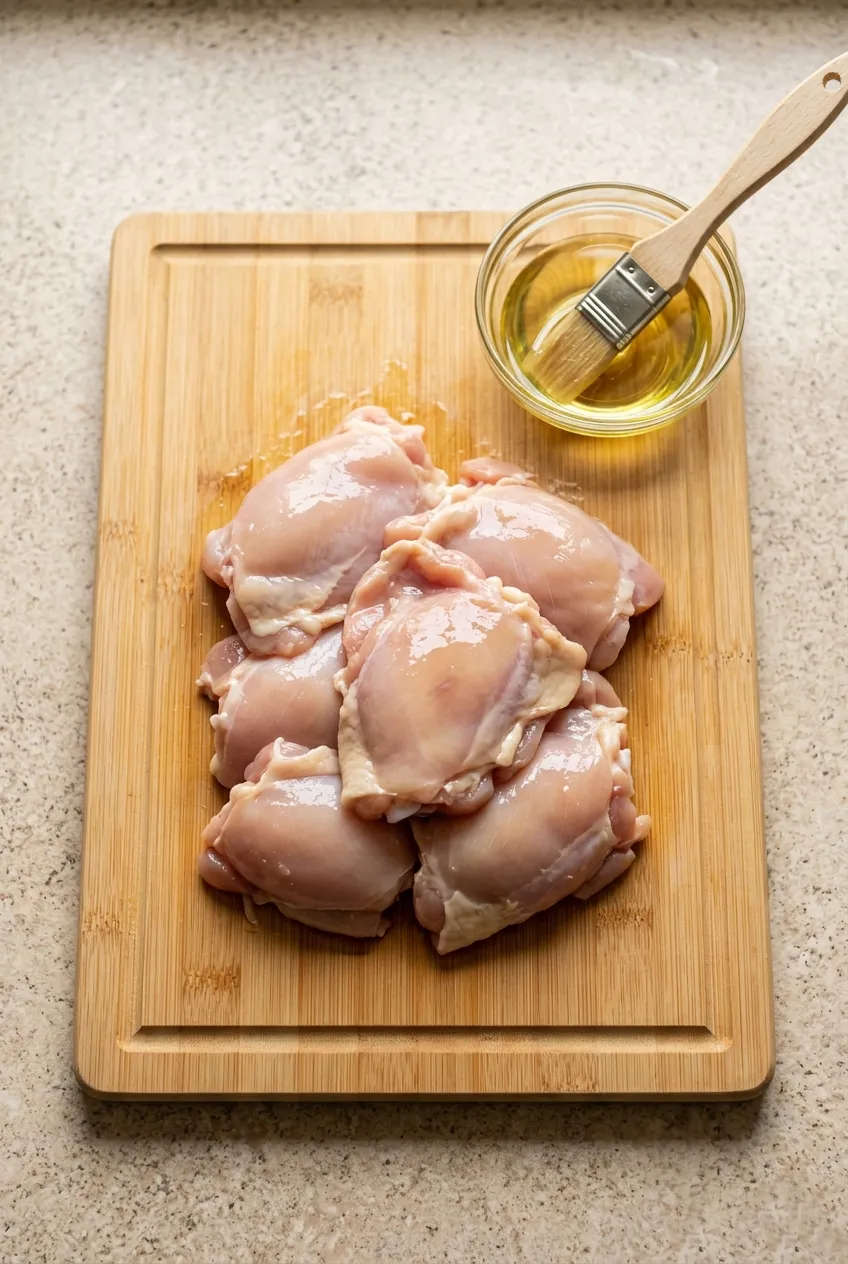
In order to obtain a Japanese flavor, we will make a tare-style sauce, which is a traditional Japanese BBQ sauce served during grilling sessions. The ingredients are not complex, but the end product is sure to surprise you.
For the Chicken:
- 2 lbs boneless, skinless chicken thighs (or bone-in, skin-on if you prefer extra crispiness)
- Vegetable oil or avocado oil for brushing the grill
For the Japanese BBQ Sauce (Tare):
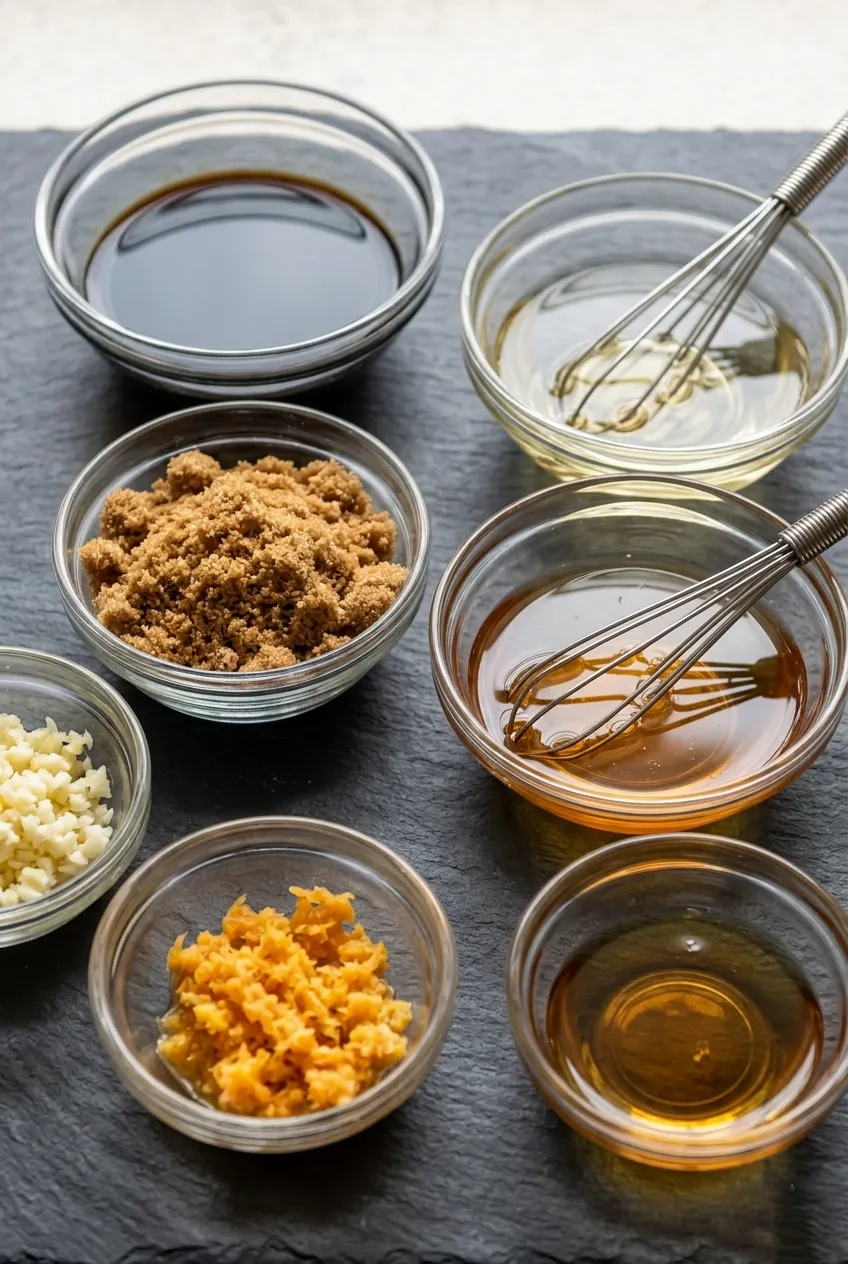
- ½ cup low-sodium soy sauce, The backbone of umami.
- ¼ cup mirin, A sweet Japanese cooking wine that adds gloss and depth. (If you prefer to avoid alcohol, substitute with ¼ cup rice vinegar mixed with 2 teaspoons sugar.)
- ¼ cup sake adds brightness and helps tenderize. (You can omit and add an extra 2 tablespoons of water with a pinch of sugar if desired.)
- 3 tablespoons brown sugar or granulated sugar – For caramelization and sweetness.
- 2 tablespoons honey; Adds stickiness and a beautiful glaze.
- 4 cloves garlic, minced; Essential aromatic.
- 1 tablespoon fresh ginger, grated; Adds warmth and a slight kick.
- 1 teaspoon sesame oil; For a nutty aroma.
- 1 tablespoon cornstarch mixed with 2 tablespoons water; Optional, for a thicker sauce if you prefer a dipping sauce.
For Garnish:
- Toasted white sesame seeds
- Sliced green onions
- Shichimi togarashi (Japanese seven spice) – optional for heat
Step-by-Step Japanese BBQ Chicken Thighs Recipe
This recipe is designed to be approachable while delivering authentic results. You can grill outdoors, cook on a stovetop grill pan, or use your oven’s broiler.
Step 1: Prepare the Sauce
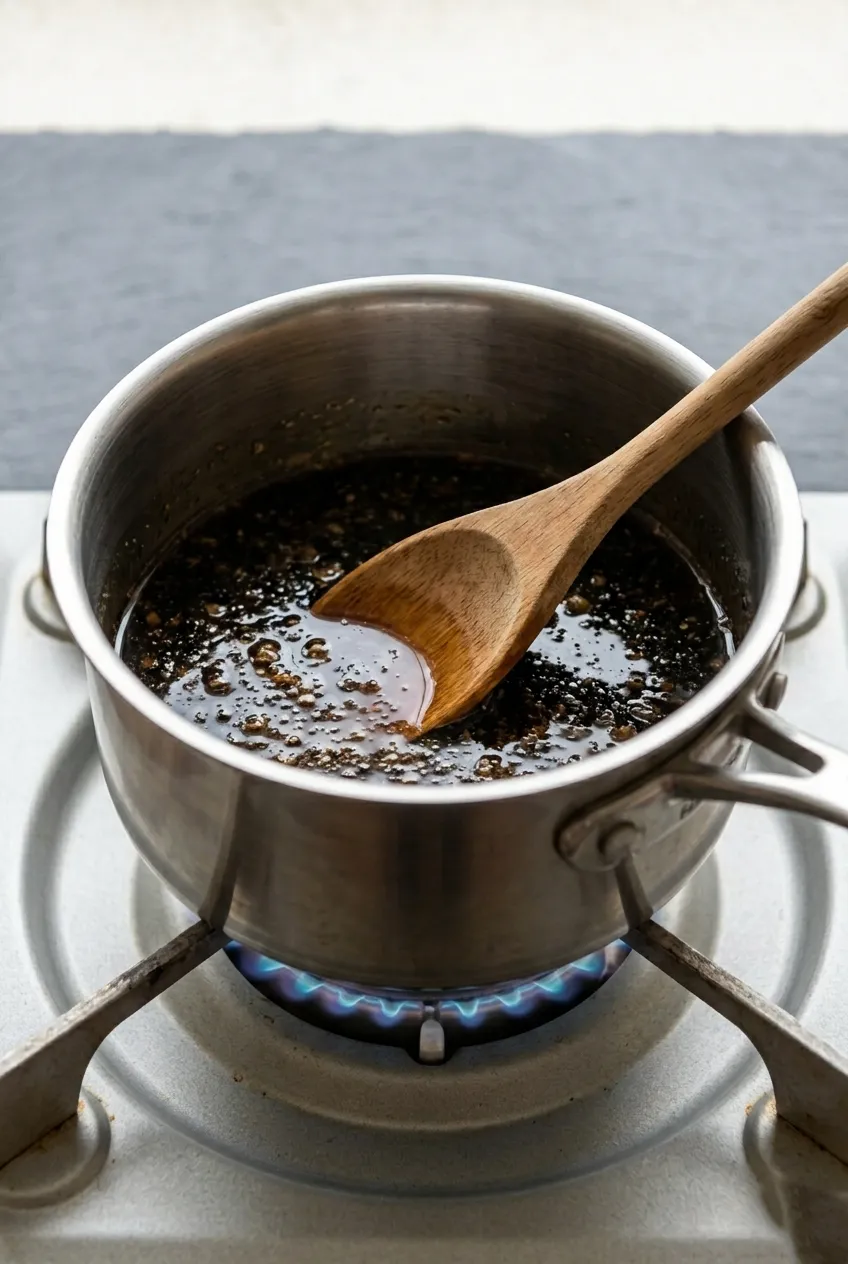
In a small saucepan, combine the soy sauce, mirin, sake, brown sugar, honey, garlic, and ginger. Place the mixture over medium heat and simmer the mixture by stirring it occasionally. When the mixture starts to bubble, reduce the heat to low and simmer the mixture for 8-10 minutes or until the mixture slightly reduces and thickens to coat the back of a spoon.
To have a thicker mixture for dipping, you may whisk the mixture of cornstarch and water into the mixture. Simmer the mixture for a minute. Remove the mixture from the heat and add the sesame oil. Separate the mixture into two portions to avoid contamination.
Step 2: Prep the Chicken Thighs
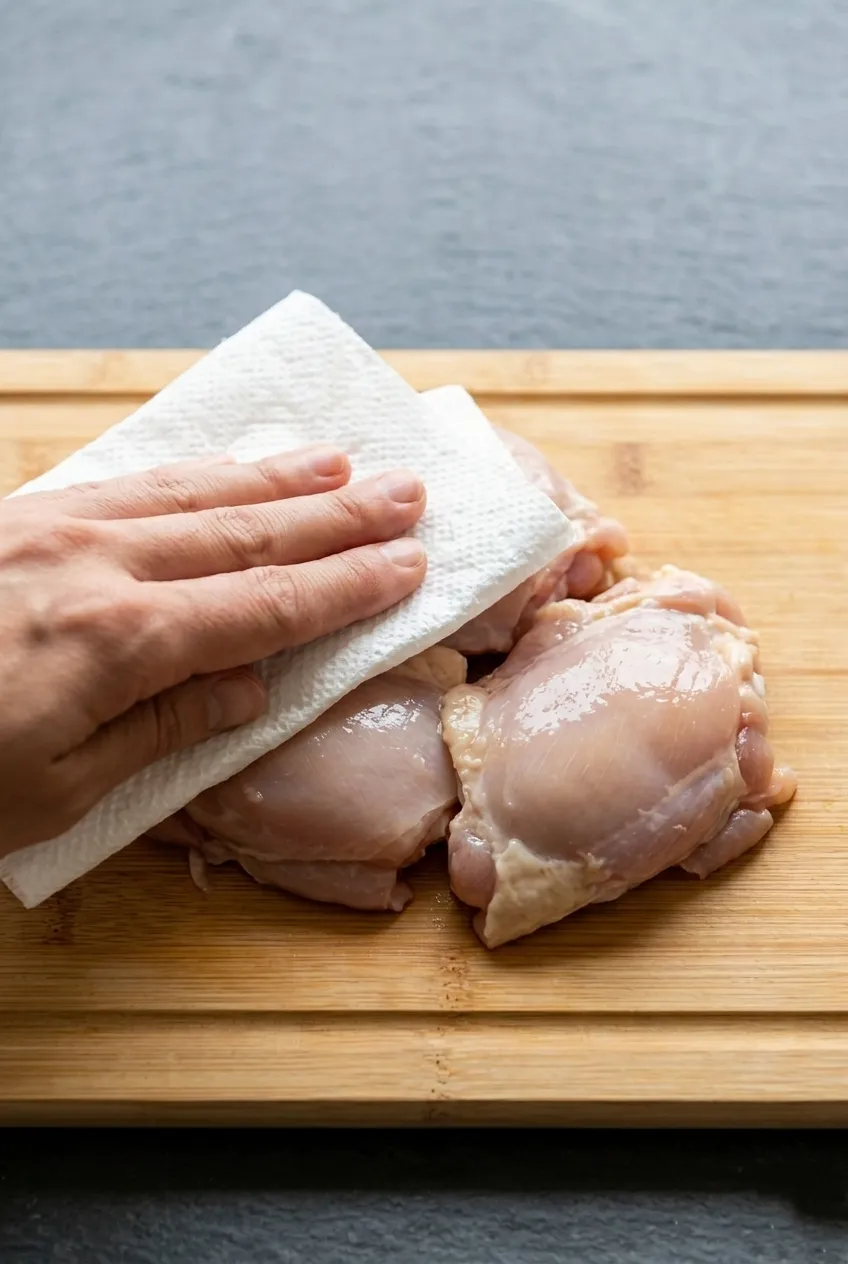
If using boneless, skinless thighs, make sure they are completely dry using paper towels. This is essential for searing. If your thighs are large, you can remove excess fat, but make sure there is some fat left on for flavor. For even cooking, you can pound your thighs to an even thickness.
If using skin-on thighs, score the skin using a sharp knife in a crosshatch pattern. This will help fat render and prevent the skin from curling up on the grill.
Step 3: Marinate (Optional but Recommended)
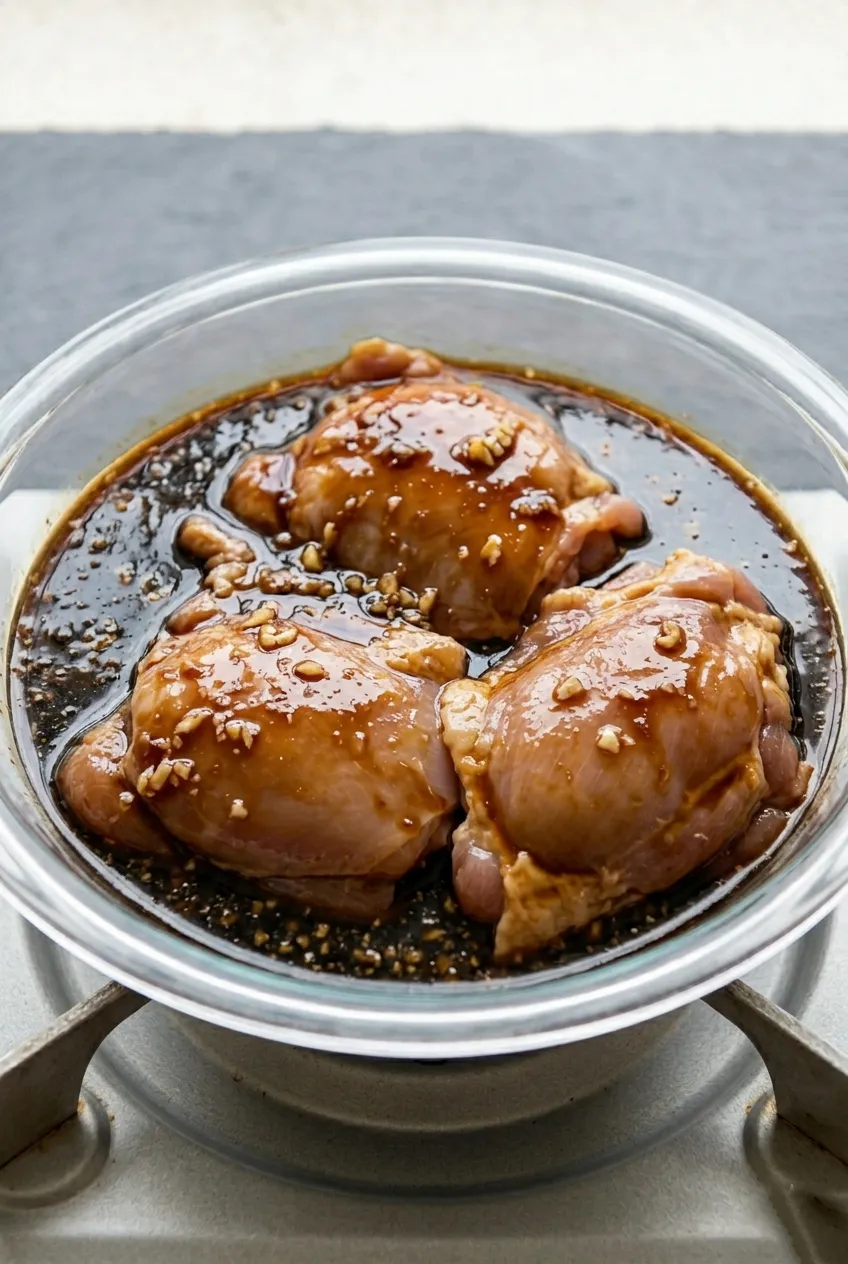
While not strictly necessary, giving the chicken a brief marinade in a few tablespoons of the sauce for 20-30 minutes (or up to 2 hours in the fridge) will enhance the flavor. If you marinate the chicken, be sure to pat it dry before grilling.
Step 4: Preheat and Grill
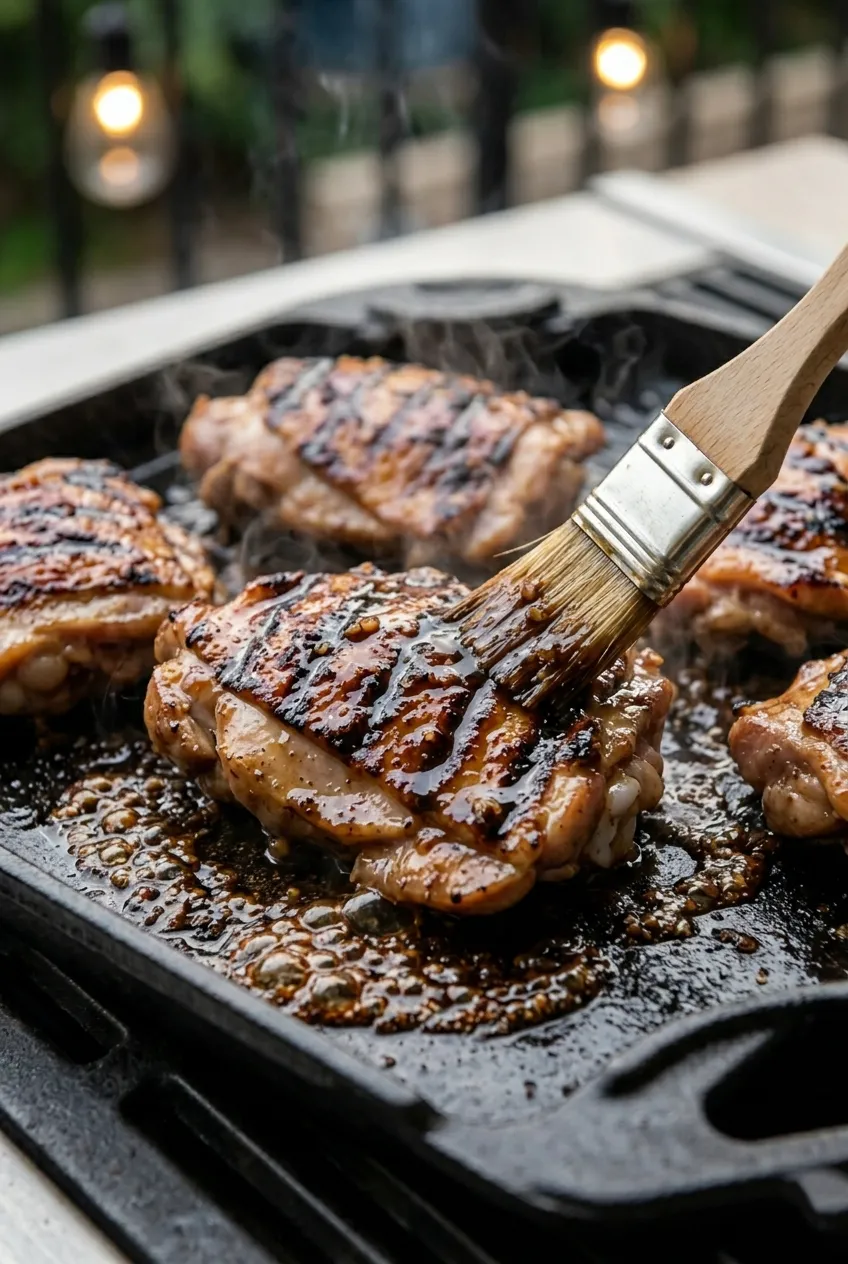
Preheat your grill to medium-high heat, or about 400-450°F. If you’re working with charcoal, make sure you set up a two-zone fire for both direct and indirect grilling.
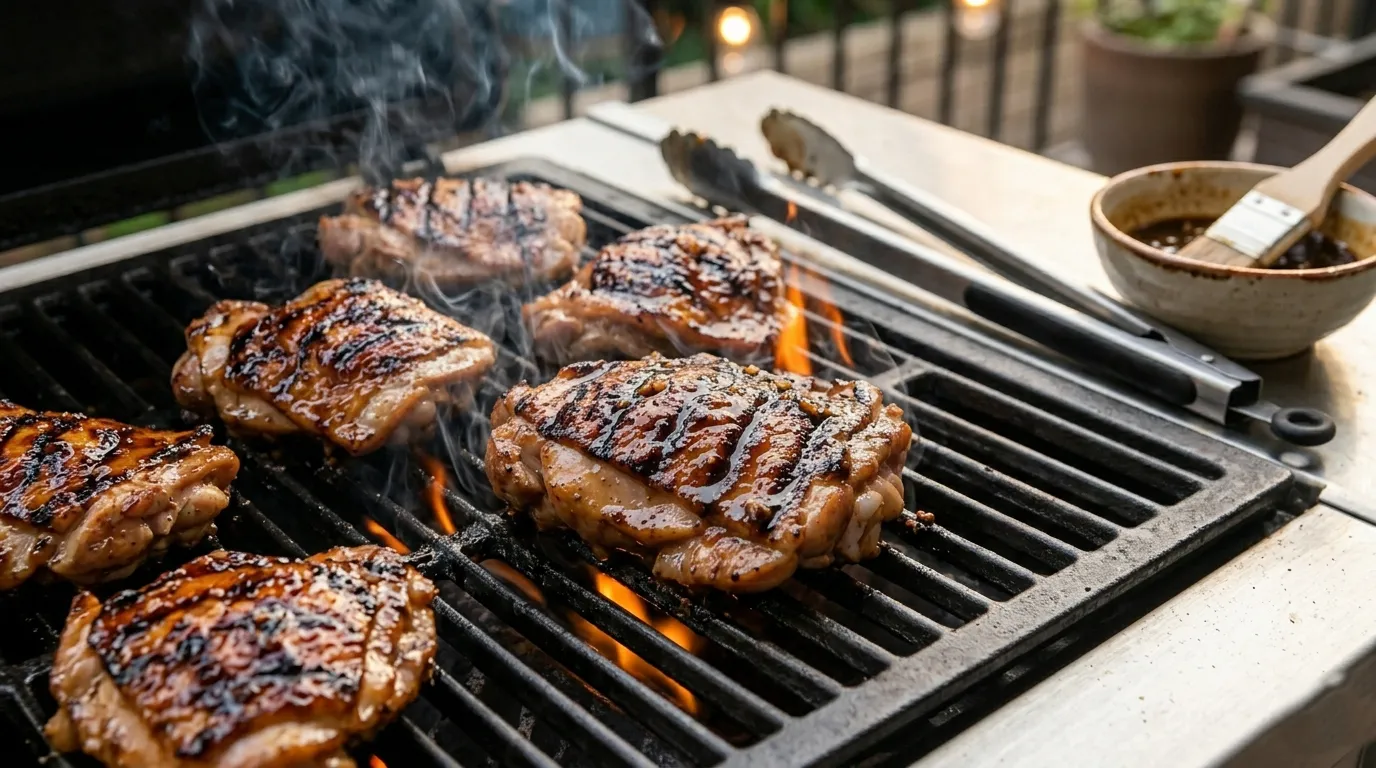
Place the chicken thighs directly over the flame on the grill. Cook each side for 4 to 5 minutes, depending on the thickness of the chicken. You’re looking for nice grill marks and a good sear.
Once you get a good sear on each side, you can start basting. Using a brush, you can brush the tops of the chicken with the basting sauce you set aside. Turn the chicken over and baste the other side as well. Continue basting every 1 to 2 minutes, turning occasionally, until the chicken reaches an internal temperature of 165°F. This sauce will caramelize and give you that nice, sticky, charred look you’re going for.
Pro Tip: If you find that the sauce is burning before the chicken is cooked through, you can move the chicken to indirect heat. Thighs are forgiving, but burnt sugar can get pretty bitter.
Step 5: Rest and Garnish
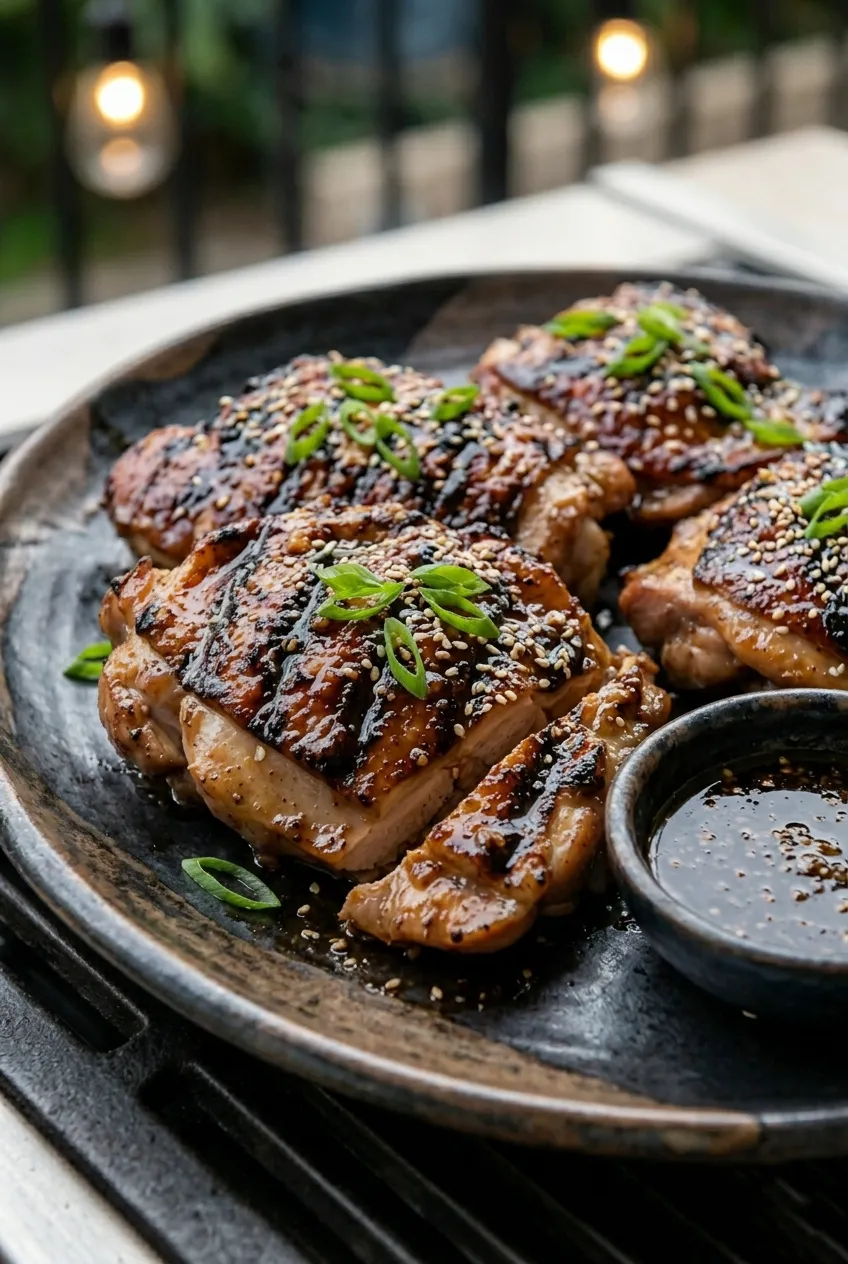
Take the chicken off the grill and set it aside for 5 minutes. This will allow the chicken to redistribute its juices. Sprinkle it with toasted sesame seeds and chopped green onions. Serve it with the set-aside sauce on the side for dipping.
Alternative Cooking Methods
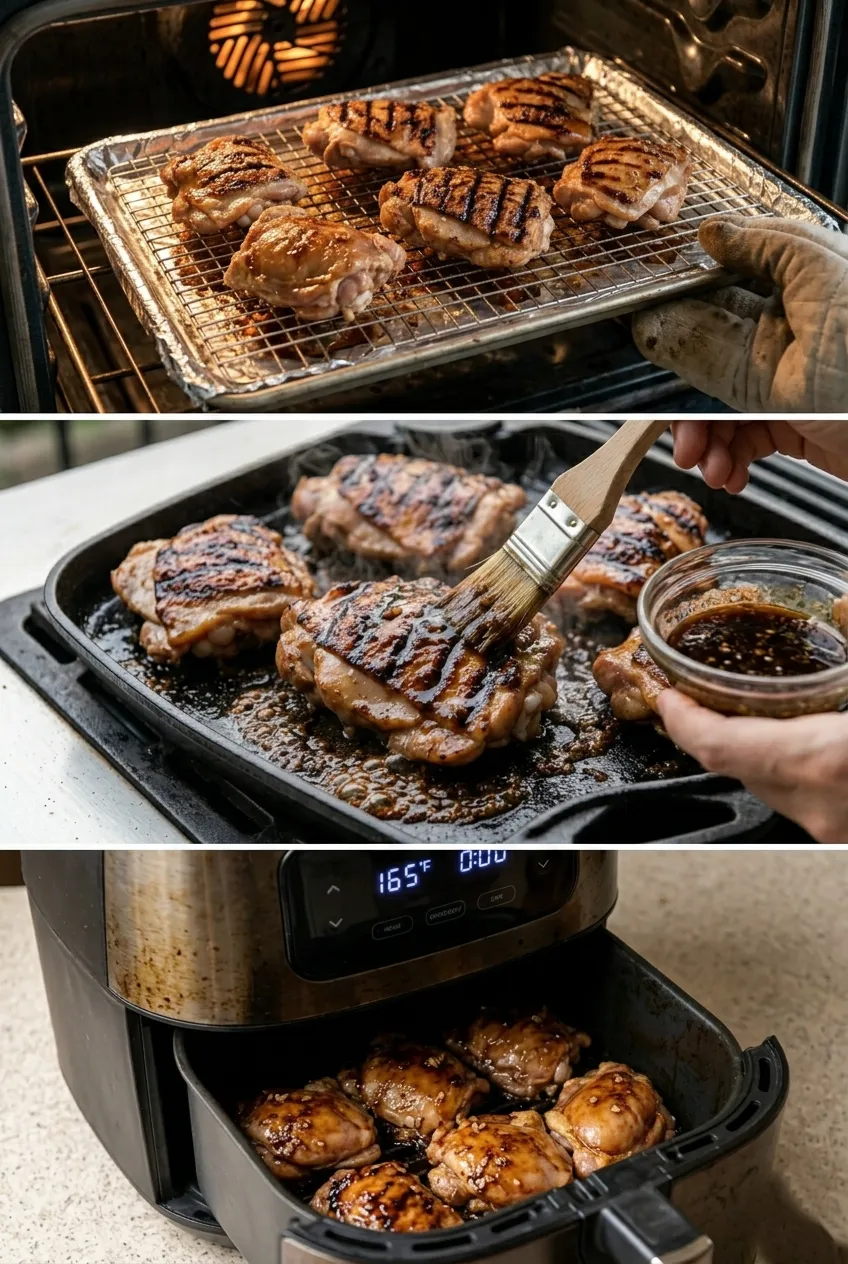
No grill? No problem. These Japanese BBQ chicken thighs can be made just as deliciously using other methods.
Oven Broiler Method
- Position one of your oven racks 6 inches from your broiler element.
- Line a baking sheet with aluminum foil and place a wire rack on top.
- Place chicken thighs on the rack.
- Broil for 5-6 minutes on one side, then turn and baste with sauce, and broil for another 5-6 minutes on the other side.
- Broilers have a tendency to burn sugar, so be careful.
Stovetop Skillet or Grill Pan
- Preheat a cast-iron skillet or grill pan over medium-high heat.
- Add a little oil to the skillet and put in the chicken thighs in batches if necessary.
- Cook each side of the chicken for 4-5 minutes before basting and continuing to cook until browned and cooked through.
Air Fryer Method
- Preheat air fryer to 380°F.
- Place thighs in a single layer in the basket.
- Cook for 10 minutes, flip, baste with sauce, and cook for another 5–7 minutes until the internal temperature reaches 165°F.
The Art of Japanese BBQ Sauce (Tare)
The sauce is the soul of this dish. In Japanese grilling, tare is a master sauce that is often reused and aged, but this quick version captures the essence beautifully.
Key Components:
- Soy Sauce: Gives the dish saltiness and deep umami. Using low-sodium soy allows you to control the amount of salt in the dish as it reduces.
- Mirin: Gives the dish sweetness and a hint of acidity. At the same time, it adds a beautiful sheen to the dish. If you are avoiding alcohol, the rice vinegar and sugar substitute works amazingly well.
- Sake: This helps tenderize the meat and balances out the sweetness. A splash of water and a little extra sugar can replace it.
- Ginger and Garlic: These form the base for a variety of Japanese savory dishes. They cut through the richness of the chicken.
Serving Suggestions for Japanese BBQ Chicken Thighs
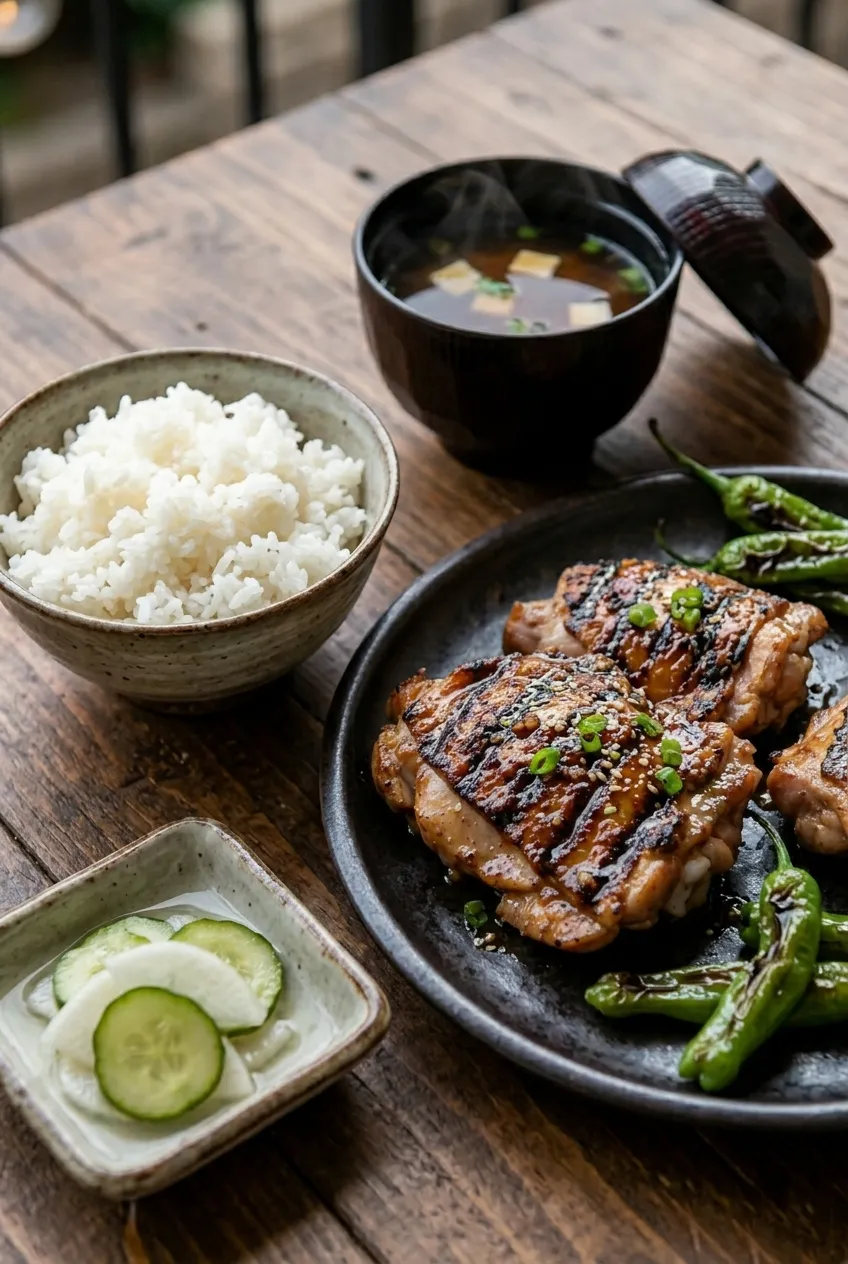
This dish shines brightest when paired with simple, complementary sides that let the chicken take center stage.
- Steamed Japanese Rice: Short-grain or medium-grain rice works well for this dish. Its stickiness will help catch any extra sauce.
- Quick Pickled Vegetables: A light vinegar-based pickle, such as cucumbers or daikon radish, helps cut the richness of the barbecue.
- Grilled Vegetables: Zucchini, bell peppers, or shishito peppers grilled along with the chicken make for a nice side dish.
- Cabbage Slaw: Shredded cabbage with a light sesame dressing makes for a traditional Japanese side dish.
- Miso Soup: A bowl of miso soup complements the meal nicely.
Tips for the Perfect Japanese BBQ Chicken Thighs
1. Control the Heat
The sugar in the sauce will burn if the heat is too high. Start by using medium-high heat to achieve a sear, then adjust to medium heat or switch to indirect heat after you begin basting.
2. Baste Strategically
Never baste too early, as raw sauce will contain sugar that will burn if it is not cooked. Always sear first, then baste.
3. Keep a Two-Sauce System
Always set aside some of your sauce that has not come into contact with raw chicken. This is your “dipping sauce.” Cross-contamination is not only unsafe but will also impart raw chicken flavors into your finished product.
4. Use a Meat Thermometer
While thighs will still be fine if they are not perfectly cooked, using a thermometer will give you perfect results. Insert into the thickest part of the thigh, avoiding bone if possible. 165 degrees is your goal.
5. Let the Chicken Rest
Resting is essential. This allows the juices to settle and makes the meat tender and juicy. If you cut it immediately, the flavorful juices will be lost on your plate.
Variations to Explore
After you have perfected the basic recipe, you can try these popular variations:
Spicy Miso Japanese BBQ Chicken Thighs
Add 1 tablespoon of white or red miso paste to the sauce, and 1 teaspoon of gochujang or sriracha. This adds an extra depth of flavor and a pleasant kick of spice.
Sesame-Ginger Glaze
Add 2 tablespoons of ginger and 2 tablespoons of sesame seeds directly to the sauce. Drizzle a little sesame oil on top of your dish for added flavor.
Citrus Yuzu Style
Add a zest of a lemon or yuzu (if available) and 2 tablespoons of fresh citrus juice to the sauce after removing it from the heat. This variation of the sauce is particularly refreshing in summer.
Skewered Yakitori Style
Cut the chicken thighs into bite-sized pieces and skewer them onto bamboo skewers that have been soaked in water for 30 minutes. Grill over high heat, basting frequently with tare sauce. This is a traditional way of serving yakitori and works well as a party appetizer.
Storing and Reheating Leftovers
If you have leftovers (which is rare in my house), they store beautifully.
- Refrigeration: Store in an airtight container for up to 3 days.
- Reheating: The best way to reheat is in a skillet on medium heat with a little water or some of the saved sauce. This will re-crisp the meat without drying it out. Microwaving is fine, but it will be softer.
- Freezing: You can freeze the cooked thighs for up to 2 months. Thaw overnight in the refrigerator and reheat as above.
Frequently Asked Questions
Conclusion
There is a reason why Japanese BBQ Chicken Thighs have become a favorite dish throughout the US. They are a combination of the universal popularity of BBQ chicken and the unique and irresistible tastes found in Japanese cuisine. This sweet and savory dish topped with a hint of grill char and tender meat makes for a dish fit for a special occasion BBQ or a weeknight dinner.
Regardless of how you decide to serve them, atop a bed of fluffy rice, nestled inside a bento box, or skewered and shared with friends and family, Japanese BBQ Chicken Thighs are sure to please every time. This recipe is forgiving, the ingredients are readily available, and the finished dish is nothing short of spectacular.
So grab your grill, mix up a batch of that delicious tare sauce, and get ready for the best Japanese-style barbecue you have ever made at home. Your family and friends will be asking for the recipe before they take their first bite!
If you try this Japanese BBQ chicken thighs recipe, let me know in the comments how it turned out. Did you add a spicy twist? Serve it with pickled veggies? I love hearing how you make it your own. Happy grilling!